
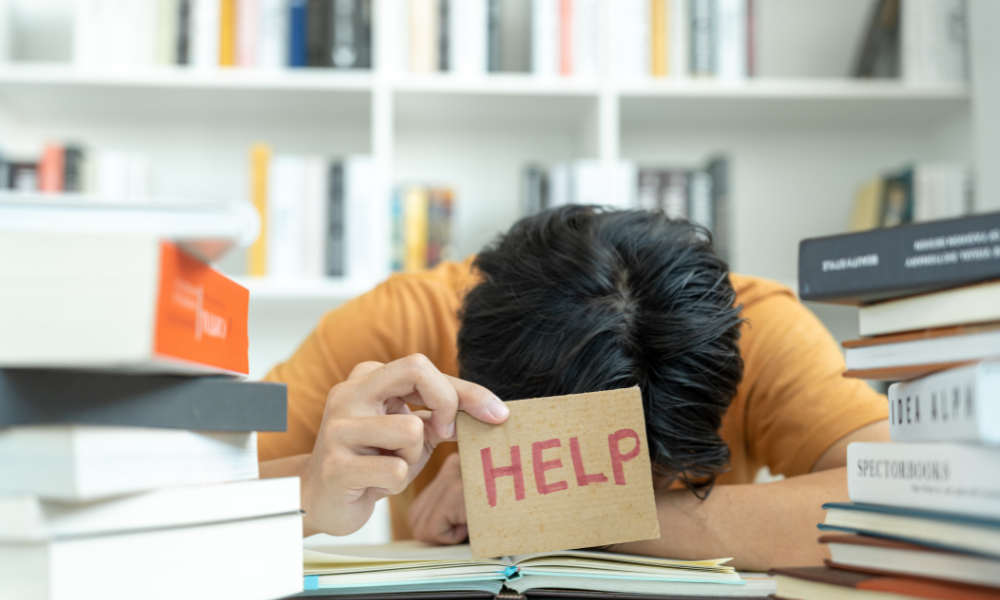
Helping People with Anxiety or Stress in East Metro Atlanta in Conyers near Covington, Georgia or virtually.
As a mental health counselor, I see many people with stress or anxiety who first come to my office with their nervous system on high alert almost all the time. In a world that moves fast, staying calm can feel like an impossible goal. Yet being calm isn’t a personality trait—it’s a practice. And it’s one we can all learn.
Here are seven methods that can help you stay calm when you have anxiety or stress.
1. Breathe
Diaphragmatic breathing is one of the quickest ways to calm your nervous system. It activates your parasympathetic nervous system, which tells your body: You’re safe. You can relax now.
Here’s how to practice Diaphragmatic Breathing:
- Sit or lie comfortably.
- Place one hand on your chest and one on your belly.
- Inhale slowly through your nose from deep down in your belly and count to 3 or 4. Feel your belly rise more than your chest.
- Exhale slowly through your nose and count to six or higher, letting your belly fall. You calm your body by breathing out more slowly than you breathe in and by breathing from your diaphragm.
- Repeat for five to ten minutes.
Use this technique whenever you feel anxious or stressed. You can also make this a daily ritual, perhaps in the morning or before bed. Over time, your body will learn to breathe more deeply from the diaphragm and default to a state of peace rather than tension.

2. Be Mindful About What You Feed Your Mind
There’s a powerful Native American story that goes like this:
An elder tells a young boy, “Inside me, there are two wolves. One is angry, fearful, and anxious. The other is peaceful, loving, and calm. These two wolves are always fighting.”
The boy asks, “Which wolf wins?”
The elder replies, “The one you feed.”
What we choose to watch, scroll, or listen to becomes fuel for one of those wolves. Choosing calm means choosing to turn toward what uplifts us. That might mean limiting doom-scrolling, muting negativity, or watching something heartwarming before bed. Protect your peace. Choose the wolf of calm.
3. Surround Yourself with Supportive People
Relationships deeply impact our stress levels. Studies show that spending time with emotionally supportive friends can actually reduce cortisol (the stress hormone) and increase oxytocin (the bonding hormone).
Think about who leaves you feeling lighter, calmer, or more grounded. Make time to be around those people. Connection is vital for our well-being.

4. Laughter is Anxiety Medicine
Laughter isn’t just fun; it’s healing. A good laugh releases endorphins, relaxes your muscles, and soothes tension. It literally resets your stress response.
So go ahead and watch that funny show, trade jokes with a friend, or reminisce about silly memories. Laughter is one of the simplest and most joyful paths to peace.
5. Train Your Brain with Biofeedback and Neurofeedback
At Anchor Point, we specialize in biofeedback and neurofeedback, cutting-edge therapies that help you train your brain and body to respond to stress in healthier ways.
Biofeedback teaches you to control functions like heart rate, muscle tension, and breathing using real-time feedback from your body. For example, if your heart rate spikes, sensors help you see it and slow it back down through breath or relaxation techniques.
Neurofeedback goes a step further, helping you train your brainwaves. It’s often used for ADHD, anxiety, PTSD, and insomnia. Through non-invasive sensors, we monitor your brain activity and gently guide it toward more balanced patterns. Over time, your brain learns how to stay in a calm, focused state on its own.
Both therapies are painless, evidence-based, and deeply empowering. Many of my clients say they finally feel in control of their stress and emotions after just a few sessions.

6. Practice Moving Meditation
You don’t have to sit cross-legged in silence to meditate. Some of the most effective meditations happen when we’re immersed in something we love. This is called active meditation or flow.
Whether you’re gardening, dancing, playing music, birdwatching, or painting, if it quiets your mental chatter and makes time disappear—that’s meditation. These moments allow the mind to rest and reset, which is exactly what we need when the world feels overwhelming.
7. Cognitive Behavioral Therapy
Cognitive Behavioral Therapy (CBT) is a powerful, evidence-based approach that helps people manage anxiety and stress by teaching them how to recognize and change unhelpful thought patterns. When we’re stressed or anxious, our brains often go into “fight or flight” mode, making situations feel more overwhelming than they are. CBT helps break this cycle by showing us how to pause, examine our thoughts, and replace them with more balanced, realistic ones. Over time, this process trains the brain to stay calmer, think more clearly, and respond to stress with greater confidence and control.
There’s a story about several blind men describing an elephant. One touches the leg and says it’s like a tree. Another touches the trunk and says it’s like a snake. Each believes his version is the truth. In reality, they’re all just touching one piece and misunderstanding the whole.
The way we perceive our world shapes our experience of it. When we regularly practice calm, our view of life shifts. We stop reacting and start responding. We feel steadier, clearer, and more compassionate with ourselves and others.
By Dr. Susan A. Sendelbach, M.A., D.Min.

Dr. Susan Sendelbach
Feeling Overwhelmed by Anxiety or Stress?
There is help.
At Anchor Point Counseling, we offer compassionate support and proven tools like biofeedback, mental health counseling, neurofeedback, sound therapy, and guided visualization to help you retrain your brain and restore balance. Whether you’re managing stress, anxiety, or simply want to feel more at peace, we’re here to help. Reach out today to schedule a session with Dr. Susan A. Sendelbach, M.A., D. Min.
Resources
Is it Stress or Anxiety?
This fact sheet can help you determine whether what you’re feeling is stress or anxiety: https://www.nimh.nih.gov/health/publications/so-stressed-out-fact-sheet